Why Professional Alcohol Addiction Treatment in Haldwani Is Crucial
Choosing professional Alcohol Addiction Treatment in Haldwani is a life-changing decision for individuals and families struggling with chronic drinking habits. Alcoholism is a progressive medical condition that damages vital organs, strains personal relationships, and impairs psychological stability.
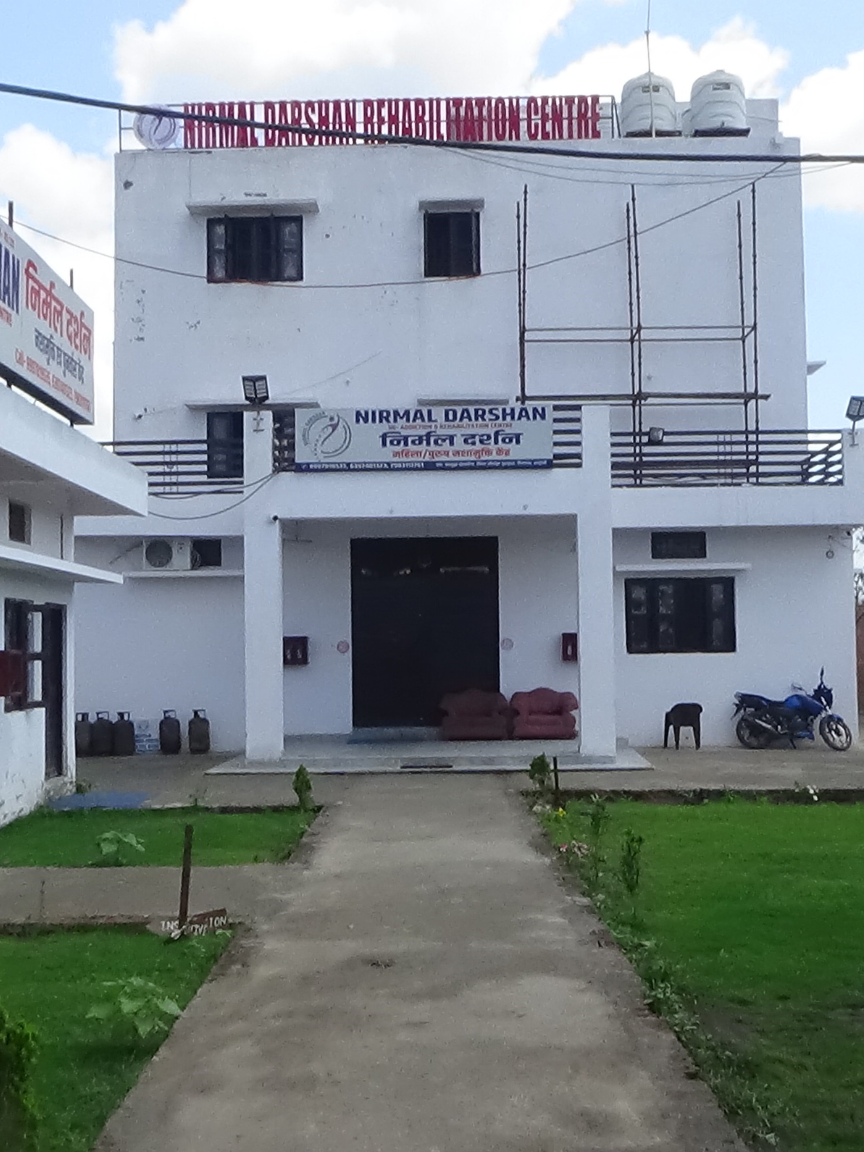
At Nirmal Darshan Rehabilitation and De-Addiction Center, we provide evidence-based, compassionate care designed to help patients break the physical cycle of alcohol dependency and sustain lifelong recovery.
Why Professional Alcohol Addiction Treatment in Haldwani Is Crucial
Attempting to stop drinking suddenly without clinical supervision can trigger severe and potentially life-threatening alcohol withdrawal symptoms. These symptoms include tremors, intense anxiety, nausea, hallucinations, and delirium tremens (DTs).
Undergoing professional Alcohol Addiction Treatment in Haldwani ensures continuous psychiatric care, medical safety, and emotional balance throughout every recovery milestone.
Key advantages of an inpatient de-addiction facility include:
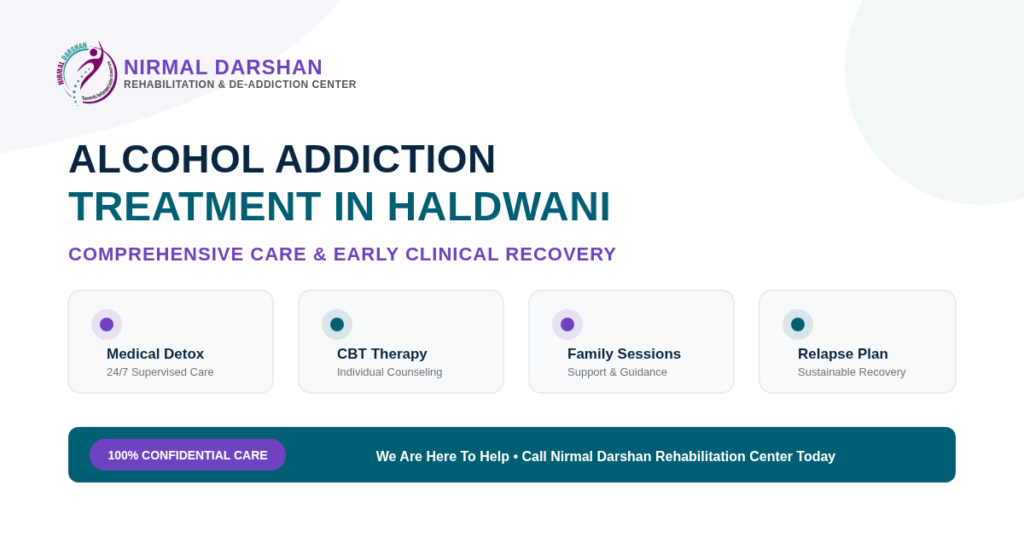
- 24/7 Monitored Medical Detoxification: Experienced physicians manage acute withdrawal distress safely through structured medical protocols.
- Structured Healing Environment: Removing individuals from familiar social triggers and enabling access to alcohol promotes uninterrupted healing.
- Comprehensive Mental Health Support: Dual-diagnosis programs address underlying depression, emotional trauma, or persistent anxiety.
- Complete Confidentiality: We safeguard the privacy and personal dignity of every patient throughout their clinical journey.
Core Stages of the Treatment Program at Nirmal Darshan
- Comprehensive Clinical Assessment
Every recovery journey begins with an in-depth physical and psychological evaluation. Our medical team assesses drinking history, general health status, nutritional deficits, and co-occurring mental disorders to create a personalized recovery roadmap. - Supervised Medical Detoxification
Detoxification safely removes alcohol toxins from the system. Doctors administer targeted therapies to reduce cravings, manage withdrawal tremors, restore hydration, and re-establish regular sleep cycles. - Cognitive Behavioral Therapy (CBT) and Psychotherapy
Behavioral therapies help patients identify destructive emotional patterns and thought loops that trigger drinking urges. Through individual counseling sessions, individuals develop healthy, constructive coping strategies to handle daily stress. - Family Counseling and Healing Sessions
Alcohol abuse disrupts household stability and creates emotional distance. Family therapy educates loved ones on codependency, rebuilds mutual trust, and establishes an empathetic domestic environment that minimizes post-discharge relapse risks. - 12-Step Recovery and Group Support
Group discussions allow patients to connect with peers facing similar recovery battles. Sharing personal experiences fosters mutual accountability, eliminates social isolation, and strengthens the resolve to remain sober. - Holistic Physical and Emotional Rejuvenation
Physical vitality is integral to mental strength. Patients participate in daily guided yoga sessions, meditation practices, physical fitness routines, and nutritious meal plans to rebuild bodily health.
Recognizing the Critical Warning Signs of Alcohol Dependency
Families should seek immediate clinical assistance when noticing these common indicators:
- Inability to control or limit alcohol intake despite negative consequences.
- Developing high alcohol tolerance, requiring larger amounts to feel normal.
- Neglecting family obligations, job responsibilities, and personal hygiene.
- Hiding alcohol bottles, secretive drinking habits, and defensiveness.
- Experiencing physical shakiness, irritability, or sweating when not drinking.
For families seeking broader guidance on recognizing early behavioral changes, explore our detailed guide on Drug Addiction Symptoms to identify early warning signs effectively.
Long-Term Relapse Prevention and Sustainable Aftercare
Recovery requires ongoing commitment after completing an inpatient program. Maintaining sobriety in the real world depends on structured aftercare planning and emotional resilience.
Our comprehensive aftercare support framework includes:
- Scheduled outpatient follow-up therapy consultations.
- Detailed personal trigger-management and crisis plans.
- Regular participation in peer support meetings and alumni networks.
- Ongoing guidance helplines for families during times of emotional vulnerability.
Frequently Asked Questions
- How long does the alcohol de-addiction program take?
Treatment duration typically ranges from 90 to 180 days, depending on the severity of the dependency, physical health requirements, and psychological progress. - Is the treatment process kept strictly confidential?
Yes, full patient privacy and confidential medical records are guaranteed throughout the admission, treatment, and aftercare processes. - Can chronic, severe alcoholism be completely overcome?
Yes, clinical detoxification combined with continuous behavioral therapy and disciplined family support allows individuals to achieve complete, long-term sobriety. - What role does family support play during alcohol recovery?
Family encouragement provides crucial emotional reassurance, helps patients maintain therapy discipline, and creates a secure home environment that drastically reduces relapse risks.
Take the First Step Toward a Healthy, Alcohol-Free Life